
When you step into an organic store, you see of colourful product, healthy grains, and natural products those are arranged on shelves. But behind every basket of organic vegetables is a story A story of farmers the practices they use to bring food from their fields to your table. These stories are not only about farming they are about passion for both human health and the environment.
1. The People Behind the Produce
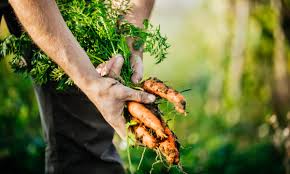
Organic farming is deeply farming. Unlike conventional agriculture, which is based on heavily on machinery, chemicals. But organic farmers are directly connected to their land. They see farming as a way of life
They are this generation farmers who chose this path for the environment and a desire to produce food responsibly.
When you learn about the farmers who grow your food, you feel proud and take care of the each product that have been grown naturally. That tomato on your plate is not just another vegetable it is the result of hard work, careful cultivation, and dedication to organic values.
2. Building Trust Through Transparency
In todays world, where foods can sometimes be confusing, farmer and source stories create transparency. When an organic store shows the origins of its products, it build trust with customers.
Imagine walking into your local organic store and seeing a sign that says:
“These strawberries come from Green Valley Farms, a family run organic farm located just 50 miles away. Grown without synthetic pesticides, harvested by hand, and delivered fresh to our store.”
This detail not only tells you of the history of your purchase but also makes you feel good about supporting local farmers.
3. Supporting Local Communities
Farmer stories also shows how buying organic supports local economies. By choosing their products, you are helping them sustain their businesses and continue farming responsibly.
Every purchase become a support for healthier soil, cleaner water, and stronger communities. When organic stores share the journeys of a farmer, customers realize that their choices are beyond their own health they are also shaping the future of agriculture.
4. Sustainable Practices Worth Sharing
Another part of source stories is showing the sustainable practice farmers use. Organic farmers often use techniques such as crop rotation, composting. These techniques not only produce nutrient food but also protect biodiversity and fight climate change.
For example, a farmer spotlight might reveal how a local organic rice farm uses ducks to control pests instead of harmful chemicals, or how a vegetable grower relies on natural compost instead of synthetic fertilizers. These stories inspire consumers and show that organic farming is about innovation and respect for nature.
5. From Farm to Table: Creating Connection
The most useful benefits of farmer stories is the sense of connection. As customers, we often feel disconnected from where our food comes from. We pick up items from the shelves without thinking much about their journey.
But when you read about how your organic carrots were grown chemical free soil, watered carefully to preserve natural minerals the experience of eating them becomes more meaningful. You are not just nourishing your body you are participating in a story of care, sustainability, and human effort.